Jody Rallah – Inner Guidance, Peninsula University Hospital
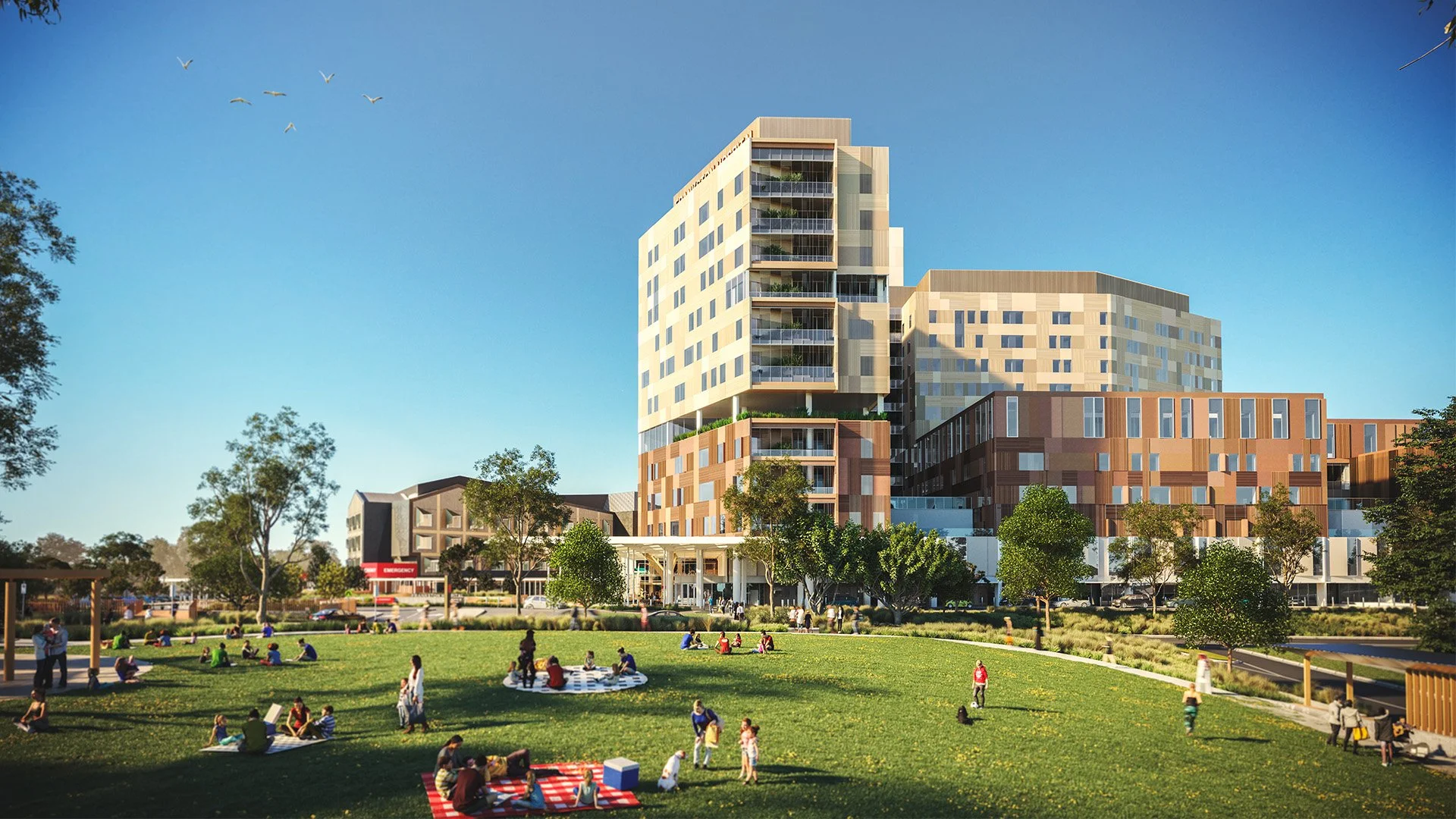
T Projects was appointed lead project curator for the Frankston Hospital Redevelopment, now known as Peninsula University Hospital. Working as part of the Exemplar Health consortium and wider project team, we developed and delivered a major public art program centred on the theme Healing Country, Healing People.
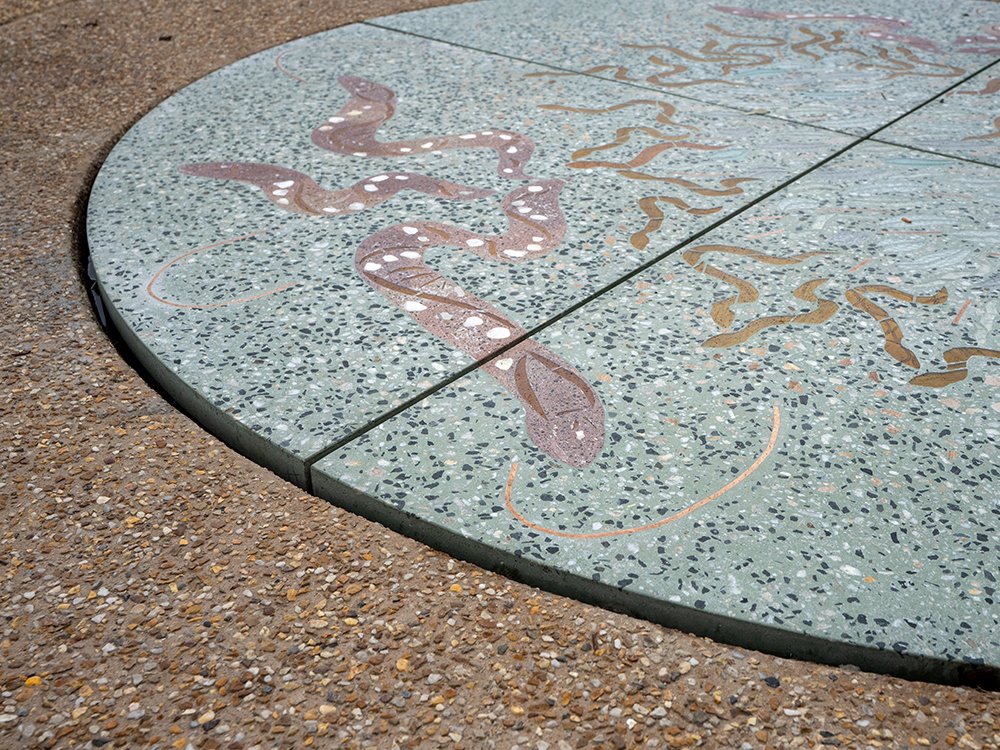
T Projects are proud to present Inner Guidance, a new public art commission by First Nations artist Jody Rallah, created for the Frankston Hospital Redevelopment now known as Peninsula University Hospital.
Embedded into the landscape as a pavement inlay, the artwork forms part of the first impression for patients, visitors, staff and families arriving at the hospital. Integrated directly into the ground plane, the work invites moments of discovery, reflection and connection within an everyday journey through the site.
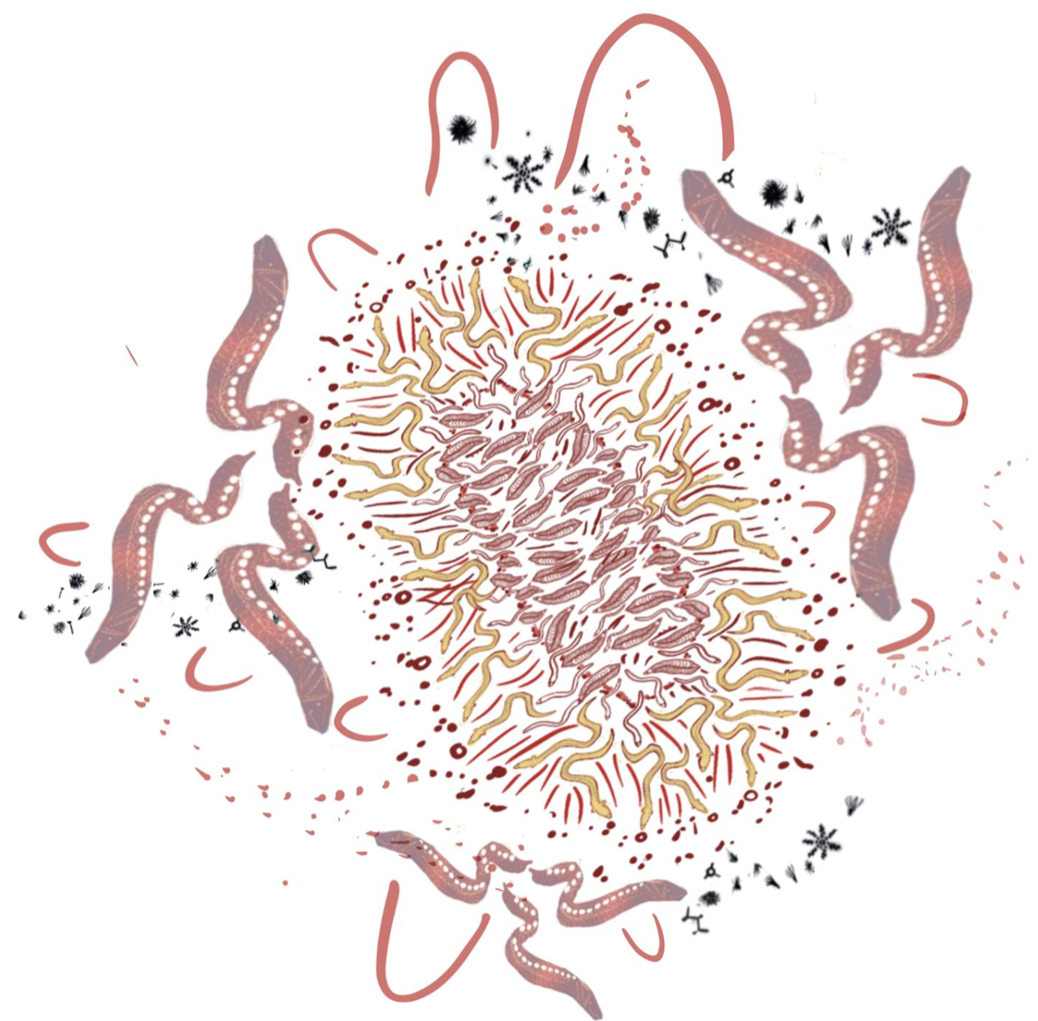
Jody’s concept draws on the life cycle of the short-finned eel and its deep cultural significance across southeastern Australia. For tens of thousands of years, eels have been central to First Nations seasonal knowledge systems, teaching resilience, transformation and continuity through their remarkable migratory journeys between saltwater and freshwater environments. At Peninsula University Hospital, this story is grounded in place through reference to Kananook Creek and the coastal ecologies that have long sustained Bunurong Country.
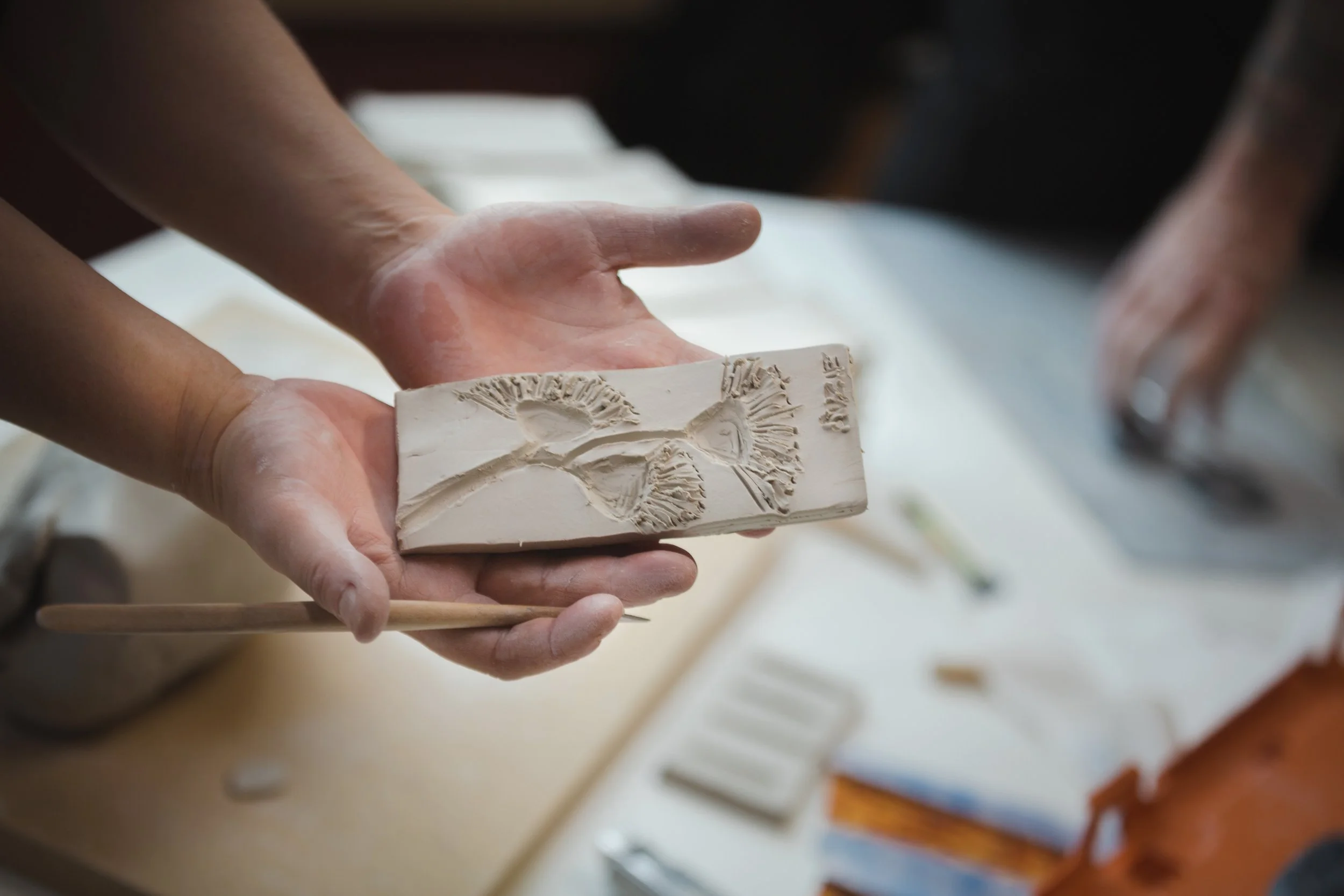
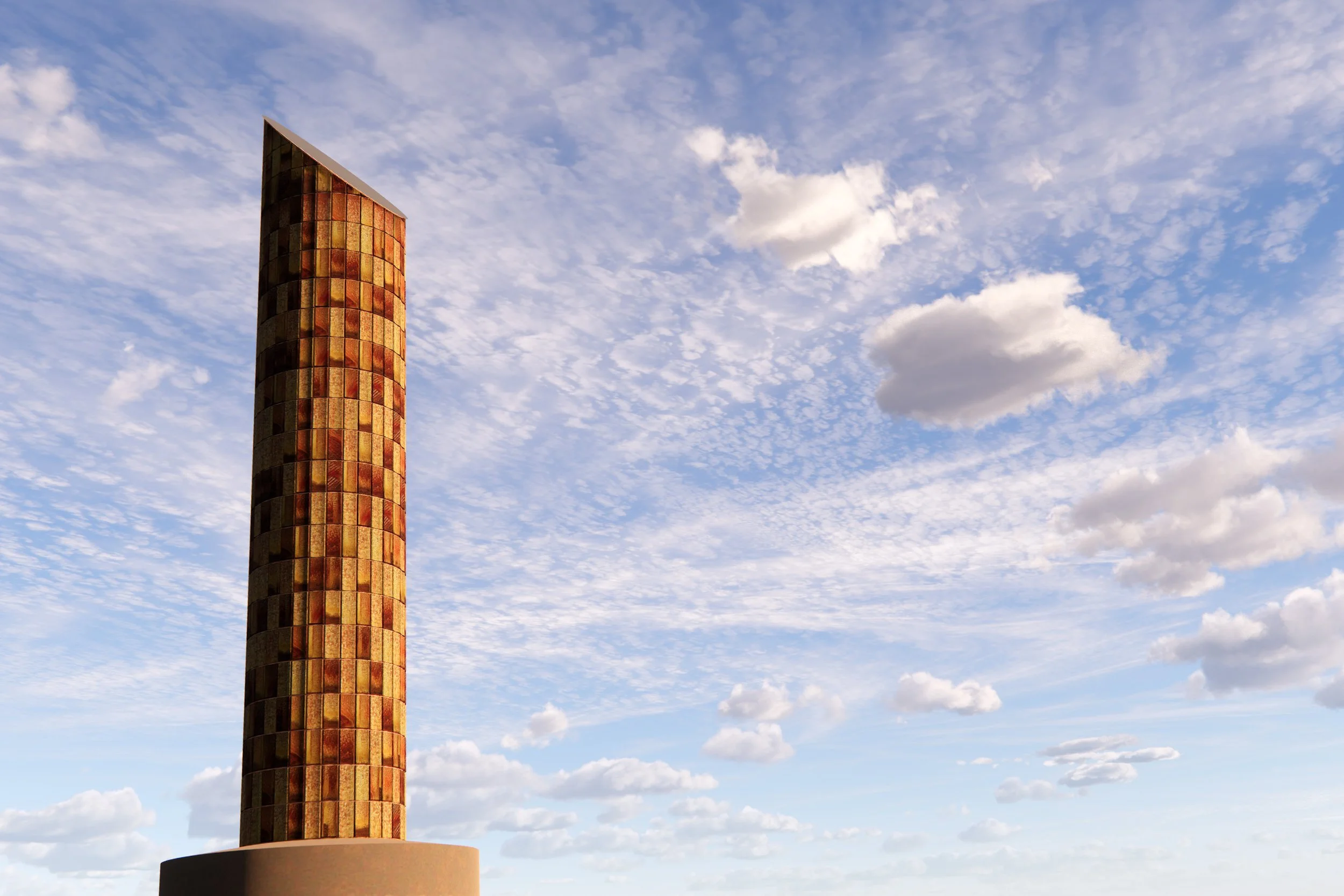
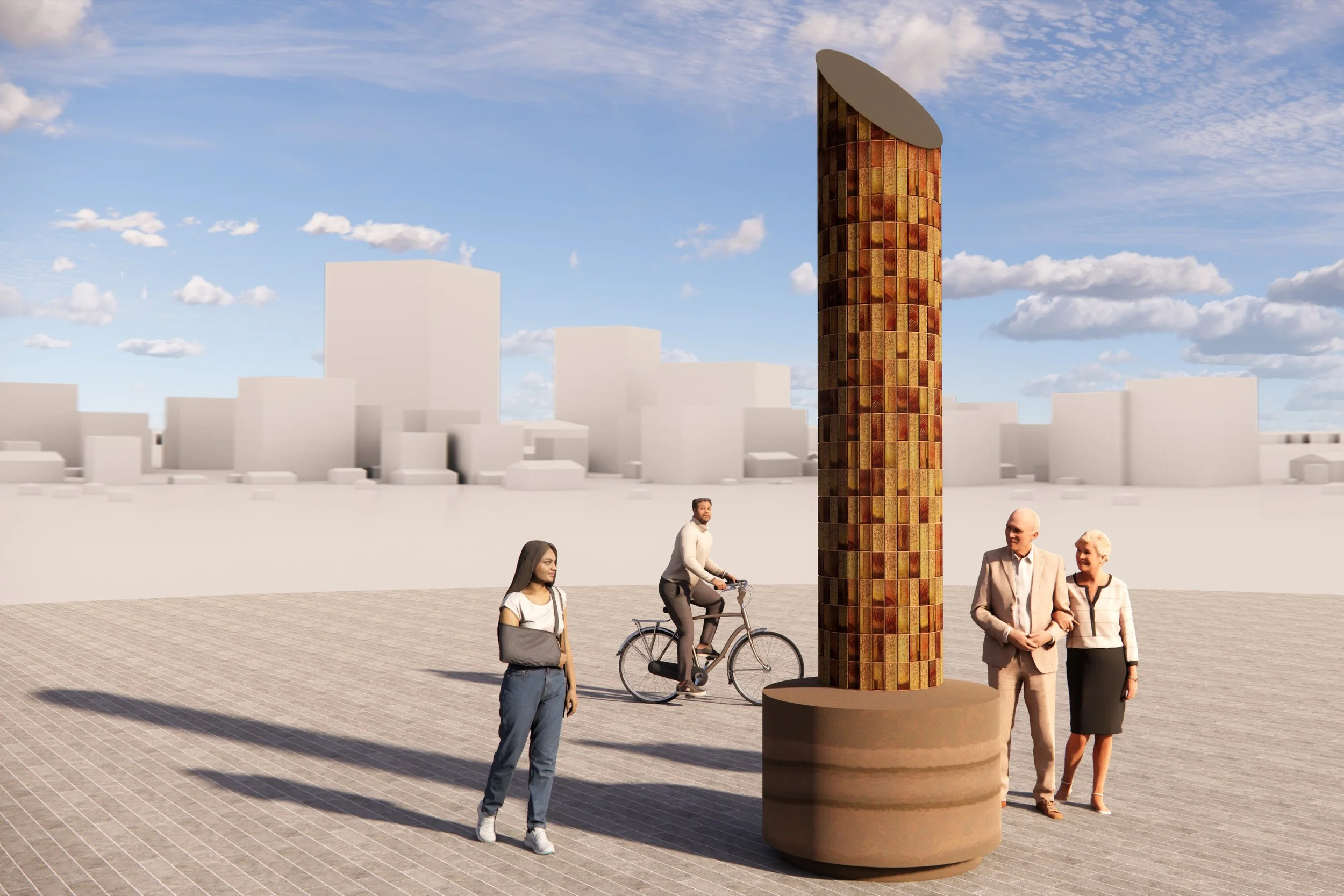
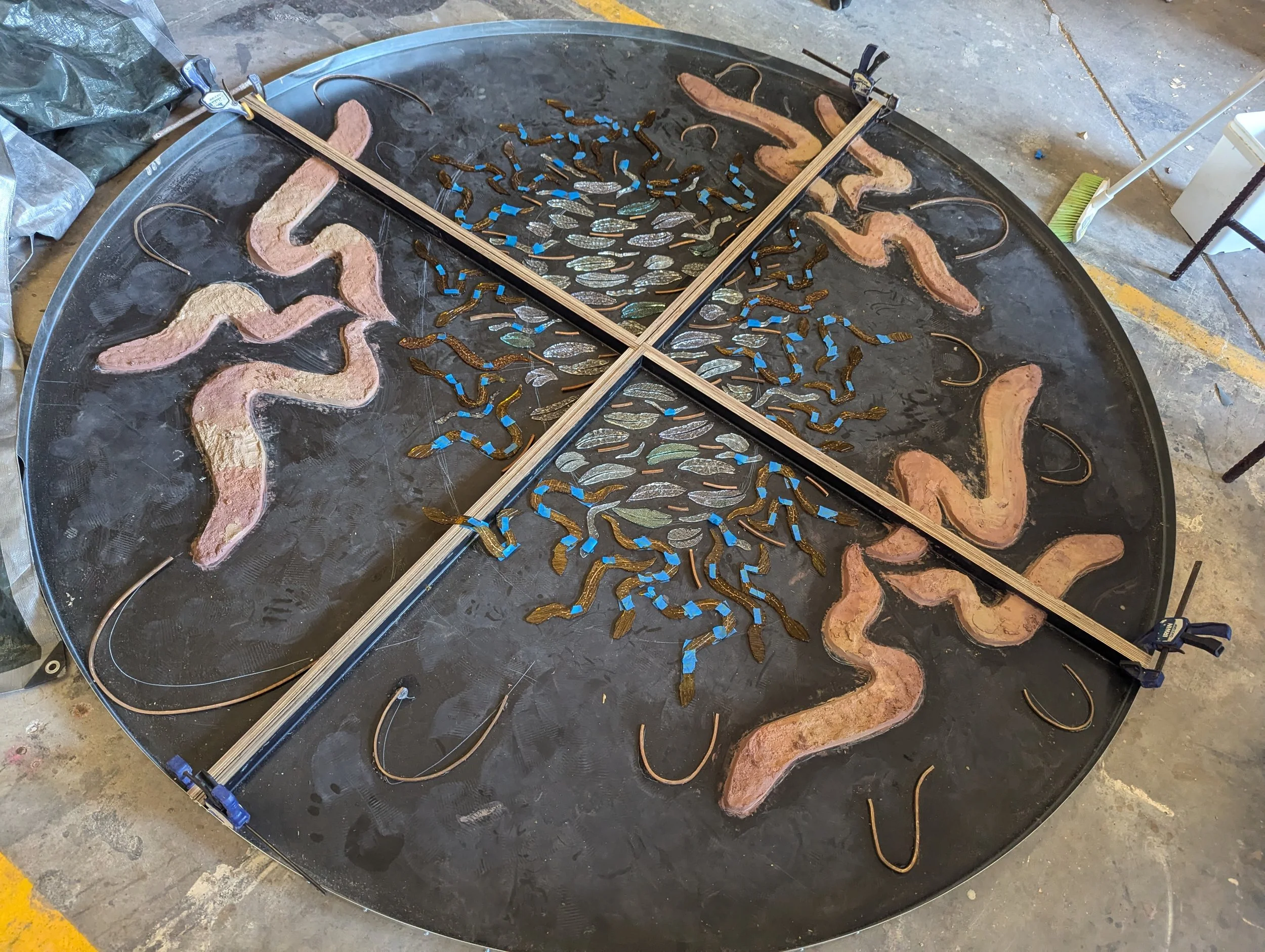
Inner Guidance has been created using a very special fabrication process, which reflects the values embedded in the artwork itself. The piece has been constructed using a thoughtful combination of recycled materials, including Corten steel, recycled glass, and terrazzo, chosen not only for their durability but for their capacity to carry meaning.
Corten Steel: Known for its weathered, earthy appearance, Corten steel evokes the strength and endurance of Country. It forms the structural base of the inlay, anchoring the artwork in place.
Recycled Glass: Used to represent the glass eel stage of the Short-finned Eel’s life cycle, this material adds a shimmering, translucent quality that speaks to transformation and fragility.
Terrazzo: A composite material made from chips of marble, quartz, granite, and glass, terrazzo is used to create a layered, textural surface that reflects the interconnectedness of ecological and cultural narratives.
T Projects provided the public art strategy and curatorial direction for the commission, developing the commissioning framework and leading artist research, procurement, briefing and engagement. We managed the concept-development process and coordinated closely with the client, artist, design team, cultural advisers and other project stakeholders to ensure the artwork responded meaningfully to its healthcare setting, architectural context and connection to Country.
Delivering public art within a healthcare environment is particularly complex. Artwork design, materials, fabrication methods and installation processes must respond to stringent operational and environmental requirements, including infection prevention and control, accessibility, safety, durability, maintenance and cleaning. These requirements must be considered from the earliest concept stages and coordinated through multiple design reviews and approval processes.
T Projects oversaw the artwork’s progression through design development, technical coordination, approvals, fabrication and installation. We also supported stakeholder and cultural consultation, artwork interpretation and project communications, ensuring the commission retained its artistic and cultural integrity while meeting the practical requirements of a major public healthcare facility.
Client
Victorian Health Building Authority
Artist
Project Team
Capella Capital Lendlease, Honeywell, Bates Smart, Conrad Gargett, WSP and Waterman AHW
Images
Courtesy of the artist
Jody Rallah
Jody Rallah is a Yuggera-yugggerabul and Biri artist from Magandjin/Brisbane. whose multidisciplinary practice centres on working in harmony with the aliveness of materials and place, embracing a Country-echoed in infrastructure and an intergenerational knowledge systems approach. She creates both large-scale and intimate works, that encompass object making, sculptural installation, painting, soundscape, and intergenerational collaboration; shaping ‘knowledge vessels’ that embody living histories and evoke a deep sense of connection and healing.
At the core of Rallah’s practice is an exploration of how place holds memory and how a hands-on, haptic approach to art and design can foster inclusive conversations. Her work invites curiosity about relationships with Country, the built environment, and our place within it. Through her creative process, she weaves narratives that echo across generations, interrogating identity and the contemporary forces that shape our relationships to place and to one another; and to create spaces and vessels that are alive with movement, memory, and storytelling.
In 2024, Rallah was the third Galang Residency recipient, based in Paris at the Cité Internationale des Arts, as part of the Powerhouse initiative supporting Australia-based First Nations creative practitioners. Her project researched the impact of tactile language systems in immersive art environments, engaged with Ancestral creations in museum collections, she highlighted the role of haptic practices in healing, connection, and cultural continuity. By integrating these systems into public artworks, she emphasized their potential to reshape collective experiences, facilitate cultural resurgence, foster healing, and support intergenerational knowledge sharing. Rallah’s recent work includes a series of large-scale clay paintings, culminating in a 22-meter-long performative piece at the MOB in 2023; A 15m recycled aluminium panel artwork at QUT Kelvin Grove. She graduated with a Bachelor in Contemporary Australian Indigenous Art from Queensland Collage of Art - Griffith University in 2019 and was selected for the prestigious Hatched program at Perth in 2020. In 2021, she held a solo exhibition at Milani Carpark Gallery, and in 2022, debuted her work Guides in Brisbane’s city centre as part of the Indigenous Art Program – Outstanding. Rallah has contributed to panel discussions, some including the QLD Museum’s World Science Festival, Apmere Mparntwe - Australian Ceramics Triennial, Sculptors Queensland, Women of the World, Food Sovereignty and bush medicine at University of Queensland Herston; and she sits on the advisory boards of Journal of Australian Ceramics